Blackjack Training: What Trains a Counter for Real Play

Twenty minutes a day in a trainer beats two hours once a week. That is the entire shape of useful blackjack training, and most people who quit card counting quit because they reversed it.
The math is settled. Griffin proved the edge. Schlesinger proved the bankroll. The reason you are not making money at the table is almost never the math. It is the gap between knowing the play and making it cold under a chatty dealer with $300 on two hands. Blackjack training closes that gap or it does not. Most of the free trainers online stop at basic strategy and call themselves done. That is the first 60 hours of a 600-hour skill.
You will not feel a counting edge working session to session. You see it in your graph. The graph dips and turns like the stock market and only goes one direction over enough hands. Up. Blackjack training is what gets you to enough hands.
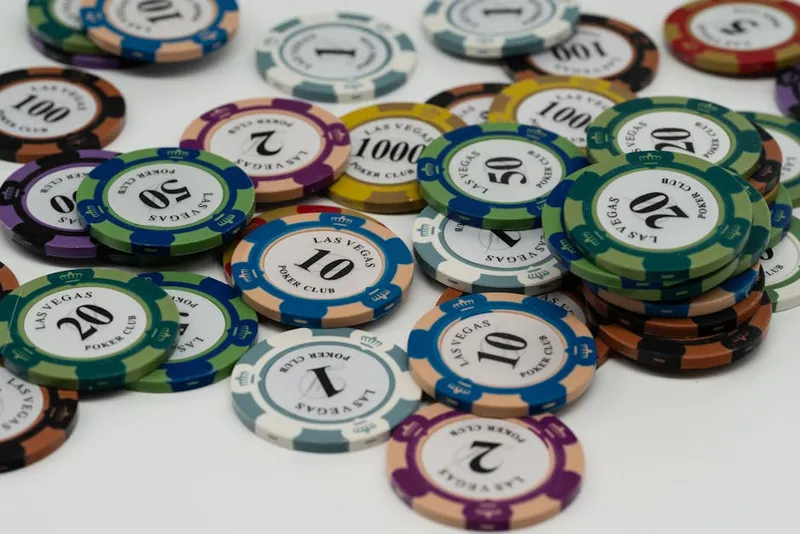
What blackjack training looks like in practice
Blackjack training is the deliberate practice of three stacked skills: basic strategy, the Hi-Lo count, and the deviations that fire on top of both. Drilled in that order. Drilled until they are automatic.
A flashcard run through basic strategy is not training. Training is running a 6-deck shoe at casino pace and getting every decision right while a phone notification goes off and a kid yells in the next room. The accuracy you score in a silent bedroom is not the number that matters. The number that matters is the one you hold under friction.
Two thirds of the people who claim to count cards have never tested themselves under any friction. They drill in the quiet and lose in the casino and decide variance beat them. Variance did not beat them. Their error rate did.
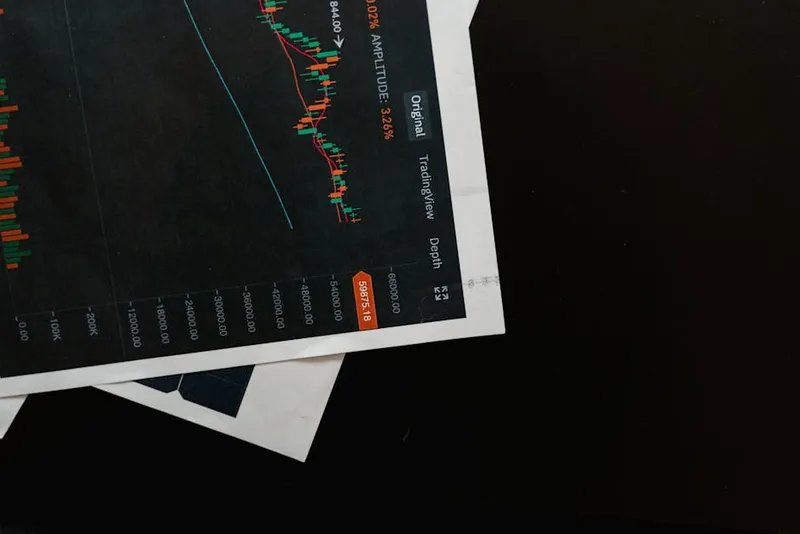
Start with a basic blackjack strategy trainer, not the count
A perfect basic strategy player at a 6D H17 DAS LS game is already only 0.47% behind the house. Most recreational players give up another 1 to 2% by misplaying soft 18, hitting hard 12 against a dealer 3, or mishandling pairs by feel.
A sloppy basic strategy player who counts is donating a larger edge than they will ever recover by counting. Drill basic strategy until it is automatic. Then add the count. The order matters more than people think.
A basic blackjack strategy trainer for the first 50 hours is enough. Free works. The Wizard of Odds trainer runs in any browser. Do not buy a paid trainer to learn basic strategy. The math is the same on every chart.
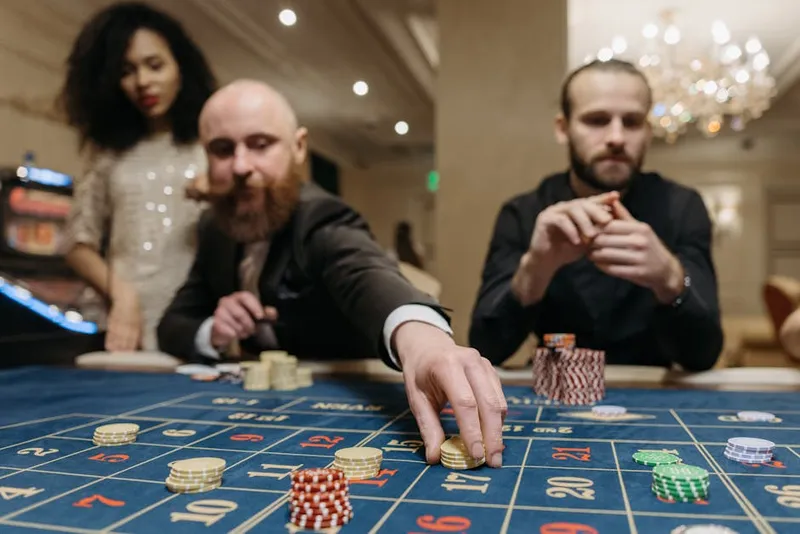
An online blackjack trainer cannot replicate casino noise
This is the part nobody puts in the YouTube video. The cleanest training score on your laptop at 11pm does not survive a real $25 minimum table at 2am.
The dealer talks. The drink in your hand is real. The pit boss two tables over is real. The player to your right asks if you want to split tens against a ten and you have to answer like a normal person while running the count in the background.
An online blackjack trainer that scores you in pure silence is teaching half the test. Train under noise. TV on, music playing, someone asking you questions every few hands. If your accuracy collapses, you have not finished training. You have finished the warmup.
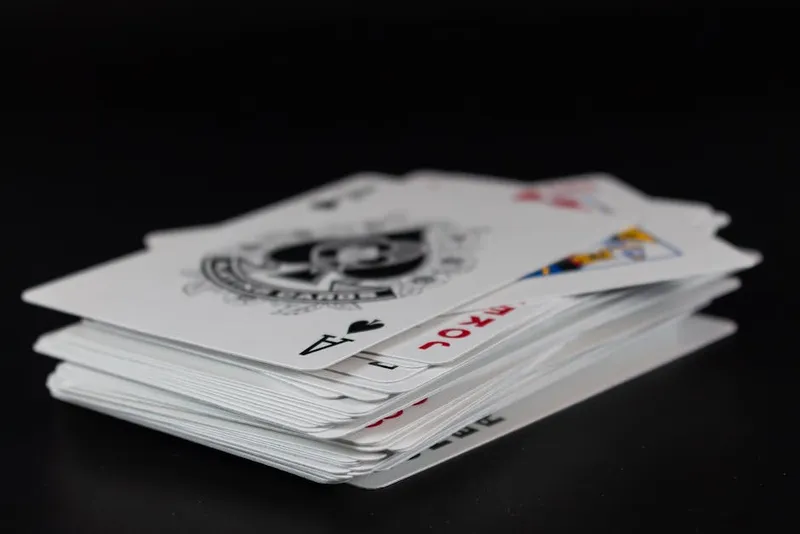
A blackjack card counting trainer is the second step, not the first
Once basic strategy is automatic, the real card counting practice starts. Three skills, in order: running count, true count conversion, deviations.
The Hi-Lo running count is the easy part. Count down a single deck in 30 seconds. Do it five times in a row clean. Then do it with the TV on. Then do it while someone reads numbers at you. That is the foundation.
True count conversion is where most self-taught counters bleed accuracy. TC equals the running count divided by decks remaining, always floored, never rounded. A blackjack card counting trainer that does not test you on the conversion under shoe penetration is missing the real skill. You have to call the true count cold at any moment in a 6-deck shoe with the discard rack at any depth.
The deviations are the third layer. The Illustrious 18 plus Fab 4 captures roughly 80% of available index EV with 22 plays. Skipping the deviations is paying for the count without using it.

The gap between your trainer score and your table results
Trainer scores are flat measurements of accuracy. Casino results are accuracy multiplied by everything else: bet sizing under pressure, cover, table conditions, variance, and the hour count you have put in.
Two players can both score 100% in a trainer. One walks into a casino, spreads $10 to $200, and clears $80 an hour. The other freezes at TC+4, undersizes every big bet, and clears nothing. The trainer cannot see that gap. The session log will, if you keep one. So will an outside set of eyes.
How long real blackjack training takes
Roughly 140 hours across the full stack to get from zero to a player who can sit a real shoe without bleeding the edge. At 20 focused minutes a day that is about four months. Some people do it faster. Most take longer because they skip basic strategy mastery and try to add the count on top of leaks they cannot see.
The arithmetic is the easy part. Showing up every day is the hard part. Most people think card counting is hard. The math is easy as long as you put the time in. The time is the hard part.

What a working blackjack training week looks like
Five 20-minute sessions, one longer session on the weekend. Vary the focus by day. The order is built so that no two sessions stack the same skill. Skill stacking is what most self-taught counters do and it is why they plateau.
- Monday: 50 hands of basic strategy in the trainer at random rules. Score must be 100%. If it is not 100%, do another 50.
- Tuesday: count down a deck in 30 seconds five times. Then run a 6-deck shoe and call the true count at the end of every deal.
- Wednesday: deviations only. Flashcard mode through the I18 and Fab 4 until every play comes out without hesitation.
- Thursday: a full integrated shoe. Basic strategy plus count plus deviations plus a bet ramp from $10 to $80. Write down every play you missed.
- Friday: rest. Skill consolidates in sleep, not in extra reps.
- Saturday: one full hour. TV on. Phone face down but notifications audible. Run shoes back to back. This is the noise test.
That schedule is built around what a working counter does, not what a training app would prescribe to keep you logging in.

Where most blackjack trainers stop
The trainers in the search results all stop at the same place. They drill basic strategy, score you, and ship a chart. A few add a running count overlay. None of them tell you where the plateau hits.
The plateau hits around month four. By then a self-taught counter has either developed bad habits they cannot see or stalled at a bet spread they are afraid to push past. The data exists in their session history. They just do not know how to read it.
I have sat at a table with counters who have logged hundreds of hours and are still breakeven. From the inside their game looks fine. From the outside the gaps are obvious. A missed surrender category, an undersized bet at TC+4, a deviation they never learned. The data does not lie. The session log they keep does. It says what they think they did, not what they actually did.
The mistakes you can't catch on yourself are always the expensive ones. That is the gap coaching was built to close. Hand-level data, reviewed by a working counter, before the call. Not video lessons about what a true count is. The math is settled. The execution is the leak.
If you are still in your first 100 hours, you do not need coaching yet. Drill the free tools. Drill basic strategy. Drill the count. The first 100 hours is solo work, and a deck of cards plus a free browser trainer covers it. Come back when you hit the plateau the math says you will.