Blackjack Apprenticeship Review: A Real Counter's Take

Blackjack Apprenticeship is the original card counting training brand, built by Colin Jones in 2008 after his Church Team won roughly $3.2 million off Las Vegas casinos. It is legitimate, it taught a generation of counters, and the chart on their site is the same chart professional counters reference. It is also a video library and forum priced at $397 to $997 for your first year, which is a different product than a counter starting out in 2026 needs. This is a working counter's honest read on what blackjack apprenticeship does well, where the math has moved on, and which parts are worth paying for.

What blackjack apprenticeship is, plainly
Blackjack Apprenticeship is a paid card counting training subscription. The membership unlocks a structured video curriculum, a deviation chart, the BJA Trainer app, a community forum, and access to certification testing where a coach grades your count accuracy on a live call.
The system taught is Hi-Lo. Running count, true count, the Illustrious 18, the Fab 4 surrender deviations, basic strategy, bet ramps, cover, and casino selection. The same stack every working counter uses. There is nothing exotic on the curriculum and that is the point.
Most people typing this brand into a search bar are doing one of three things. Looking for the official site. Weighing whether to buy a membership. Or hunting for the chart. The chart is free on their site. The membership and the bootcamp are not.

Who built blackjack apprenticeship
Colin Jones ran the Church Team, a card counting team that pulled approximately $3.2 million out of casinos between 2006 and 2011. He and Ben Crawford launched Blackjack Apprenticeship in 2008 to teach the same methods to outside students. Holy Rollers, the documentary, is about that team.
The legacy is real. The methods are sound. Anyone framing BJA as a scam either has not done the math or is selling a competing course with worse credentials.
What changed is the internet. In 2008 a video library plus a forum was the best card counting training a civilian could buy short of joining a real team. In 2026 a counter has access to mobile apps that log every hand, score every decision against the optimal play, and surface mistake categories the player cannot see from inside their own session. That layer did not exist when BJA shipped.
A brand built in 2008 is still a brand built in 2008. That is not a criticism. It is a date.

What blackjack apprenticeship costs in 2026
Annual membership runs roughly $397 at the lowest tier to $997 at the top tier, billed yearly for your first year. Renewals drop to around $299 a year after that. Klarna financing exists if a member wants to pay it across months instead of upfront.
The live bootcamp is $3,000 for two days in Las Vegas, plus a $500 reservation fee, plus travel and accommodation. Realistic all-in cost for most attendees lands around $4,000 to $5,000 for the weekend. Two days of intensive in-person instruction with a count accuracy checkout at the end.
For context. The CountEdge free app is $0 indefinitely, no credit card, full Hi-Lo toolkit including the Illustrious 18 and Fab 4, the AP Analyzer with Risk of Ruin and N0, and a session tracker with a cumulative earnings chart. The full counting build, no paywall. CountEdge Elite is $97 a month or $970 a year with a 14-day trial. CountEdge Group Coaching is $8,000 for twelve weeks, weekly calls, weekly report cards from your actual hand data, and a live casino test-out at the end.
Different price points solve different problems. The free option did not exist when BJA was built. The data-backed coaching option did not exist either.

What BJA does well
The structured curriculum. Most self-taught counters skip foundational material and get stuck six months in because they never built the base. The BJA curriculum walks a student through the dependencies in the right order. Basic strategy, then running count, then true count, then deviations, then bet ramps, then cover, then casino selection. The sequencing is correct and it matters more than most beginners think.
The checkout culture. BJA will not certify a count until a coach watches you call it under timed pressure. That standard separates them from every YouTube tutorial that lets a viewer click through a video and assume they have the skill. Being graded by another counter is the only honest way to find out whether you can do the work.
The personality is real. Colin shows up on the podcast and in the community. There is a real player behind the brand who has been backed off and trespassed in the same casinos his students walk into. The casino doesn't always know the difference between someone skilled and someone who just thinks they are. BJA at least teaches you to be the former.
The bootcamp gets reviewed well by attendees who already did the homework. Two days of focused testing with a real coach watching your count call is genuinely useful for the right student. The wrong student is anyone who shows up at hour fifteen of practice expecting the weekend to install the skill. It will not.
Where blackjack apprenticeship falls short
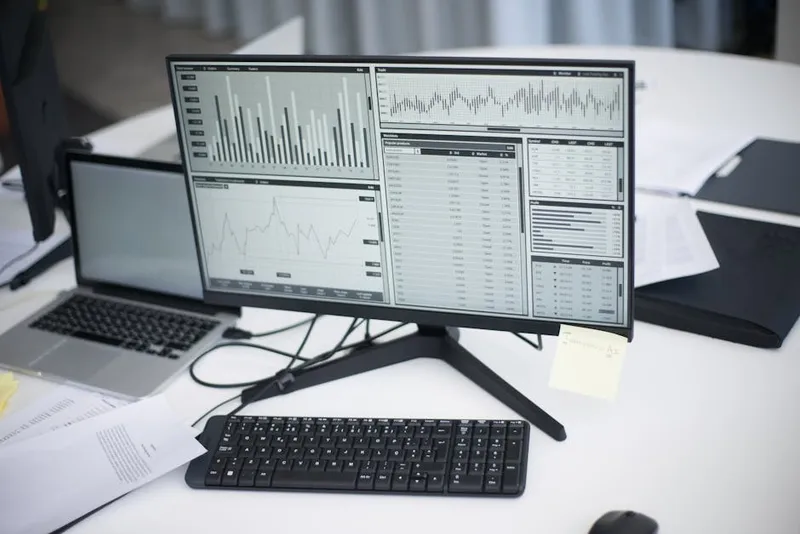
The product was built before the data layer existed. A video library plus a forum was state of the art in 2008. In 2026 a coach can see your actual mistake rate on every play, your deviation accuracy in real time, your bet sizing compliance hand by hand. BJA does not have that layer. The training is a video curriculum. The testing is a phone call with a coach grading your count call on a video shoe.
Most card counting courses are content marketing. Real coaching isn't. The data layer is the moat. A coach reviewing what a student tells them about their own play is not coaching. The actual mistake rate is always two to three times what the student reports. The mistakes you cannot catch on yourself are always the expensive ones. That is the gap a video library cannot close.
The price gates everything. The deviation chart, the trainer app, the forum, the curriculum, the certification. All of it sits behind the membership wall. For a beginner who has not yet decided card counting is worth their time, $397 is a friction wall that does not match how cheap real training tools have become.
The BJA Trainer app is functional but does not log hand-level data the way modern card counting software does. No mistake-category analysis, no session timeline against previous sessions, no exportable CSV of decisions. A 2008-era flashcard model in 2026 packaging.
180 hours at breakeven once. Thought I was counting. Thought I was good. The surrender decisions were bleeding me out and I did not know it. Not the count, not the deviations. The surrenders. The app showed the mistake category I could not see from inside the session. After fixing it the line broke free. That gap is what data-backed coaching is built to close, and it is what the video-and-call model cannot reach.

The blackjack apprenticeship basic strategy chart, audited
The blackjack apprenticeship basic strategy chart is correct. CountEdge stores it in docs/deviation-reference/ and audits every deviation against it before shipping. The Illustrious 18 and the Fab 4 in the CountEdge free app match the BJA chart hand for hand. There is no controversy on the chart itself, because there is no controversy on the underlying math. Schlesinger published the I18 in Blackjack Attack. Griffin published the edge math in The Theory of Blackjack. Any chart that claims to teach Hi-Lo will land at the same plays.
What the chart does not tell you. Which deviations fire most in the shoe games you play. How much each one is worth per hour at your bet ramp. Which ones are safe to skip on a busy table for cover. Indices are a list. A working counter needs them ordered by EV per hour at their specific game, and a static chart does not do that math.
The CountEdge AP Analyzer does. Same indices, same Hi-Lo system, but ordered by their dollar value at your rules, your spread, and your hands per hour. The chart is the input. The hourly EV is the output. Most counters never see the difference until someone shows it to them.
Blackjack apprenticeship basic strategy: solid, but not the whole game
The blackjack apprenticeship basic strategy taught by BJA is standard Hi-Lo basic strategy across the major rulesets. A 6-deck H17 DAS LS game is -0.47% to the player off the top. A 6-deck S17 DAS LS game is -0.26%. The chart adjusts correctly for both. There is no honest argument against the plays it teaches.
Basic strategy mastery matters more than the count in the first six months. A perfect basic strategy player at 6D H17 DAS LS is already only 0.47% behind the house. Most casino players give up another 1 to 2% by misplaying soft hands, deviating from BS by feel, and mishandling pairs. A new counter who is sloppy on basic strategy is donating a bigger edge than they will ever recover by counting.
BJA gets that order right. So does CountEdge. The difference is what happens after you drill the chart. BJA hands you a video on deviations and tells you to keep practicing. CountEdge logs every decision you make, scores it against the optimal play, and surfaces which deviation category you are bleeding EV on this week.
A chart is a chart. The next problem is figuring out which line on the chart you keep getting wrong. That is the part nobody had a tool for in 2008.
Is blackjack apprenticeship worth it for you
If you are a beginner who learns best with structured video instruction, has $397 to spend on training, and wants community accountability from a paid forum, BJA is a defensible buy. It is the OG brand for a reason.
If you are six months in, stuck at breakeven, and cannot figure out where the EV is leaking, more videos are not the answer. The diagnosis is in your hand history, not in the next curriculum module. Self-teaching has a ceiling and most counters hit it around month four. Watching another video does not move that ceiling. Outside eyes on actual decisions does.
If you have never run the count at a real table and you are deciding whether to spend $400 on a course before knowing whether you will enjoy the work, do not. Learn to count cards on a free app first. Drill the running count for thirty hours. Most beginners quit by hour twenty. The membership is wasted on someone who was never going to put in the hours regardless. Spend nothing until you know you will show up.
If your goal is to become a professional blackjack player and play for money, the BJA bootcamp is one path. Twelve weeks of CountEdge Group Coaching with weekly hand-data review is another. Both cost real money. Only one of them watches your actual hands every week.
Blackjack Apprenticeship paved the road. Colin Jones is the real deal and the methods are sound. None of that requires paying $400 to learn what is already in print.
Free tier gets you the full Hi-Lo toolkit. Elite gets you the Cover Coach, the Kings Bounty optimizer, and the data export. Coaching gets you a real coach watching your hands every week. None of it requires a $4,000 weekend in Las Vegas before you have called your first true count cold at a real table.
Get CountEdge free. No credit card, no expiry, full counting build. The About page has the rest.