Card Counting Basics: The Real Math, The Real Hours
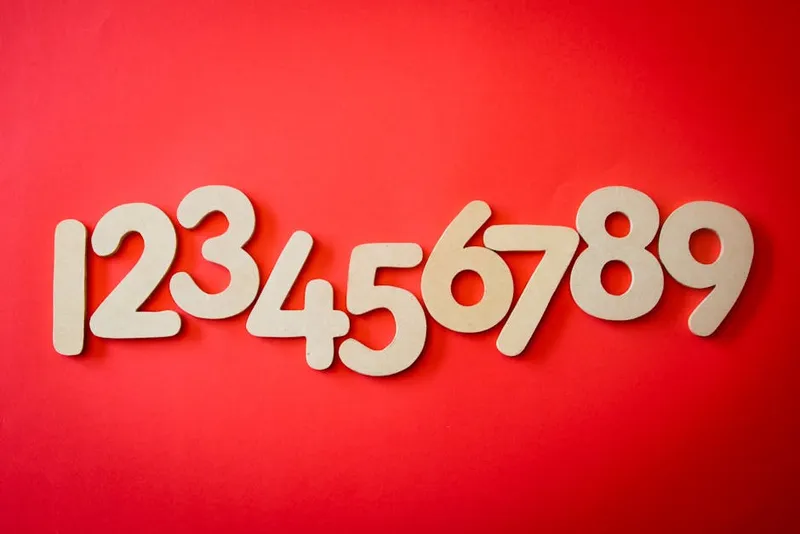
Card counting basics is five rules. Cards 2 through 6 are +1. Cards 7, 8, and 9 are 0. Tens, face cards, and aces are -1. Add them as they come out. Raise your bet when the number goes up.
That is the entire system. Harvey Dubner published it in 1963 and the casino industry has known about it ever since. They are still in business. Which tells you something about the gap between knowing card counting basics and using them at a real table where the chips are heavy and the dealer hits soft 17.
This post covers the five rules in plain English. The running count. The true count. The bet ramp. The deviations that matter. And the part nobody puts in the YouTube video: how many hours it takes before the math starts paying you back.
The math is easy. The work is hard.

How card counting basics work
Card counting is tracking the ratio of high cards to low cards left in the shoe. That is the whole concept. When the remaining deck is rich in tens and aces, the player has the edge. When it is rich in low cards, the dealer has the edge. The count gives you a number that tells you which one is true at any given moment.
Why this works: blackjack is the only major casino game where the next hand depends on what was dealt before. The shoe has memory. A 6-deck shoe with 80% of the small cards already out is a different game than a fresh one. The dealer's bust rate goes up. Player blackjacks pay 3:2. Both effects favor the player.
The base house edge on a 6D H17 DAS LS table is -0.47%. That is the number a perfect basic strategy player is paying. Every true count point above zero gives the counter roughly +0.5% over base. At a true count of +2, the player is close to breakeven against the house. At TC+4, the player has a ~1.5% edge. The whole game is collecting that edge while waiting for the count to climb.
Card counting is not a system that wins every hand. It is a system that lets you bet more when the math says you have an edge and less when you do not. The edge per hour is small in absolute terms. The skill is in not flinching when the count tells you to push the money out.
Yes, the casino knows what card counting is. They have known since 1963. They are still in business.

The Hi-Lo card counting system
Hi-Lo is the system 95% of working counters use. It is a simple level-1 system. Three buckets.
- Cards 2, 3, 4, 5, 6 count as +1
- Cards 7, 8, 9 count as 0 (neutral)
- Cards 10, J, Q, K, A count as -1
Every hand dealt at the table contributes to the running count. You add for low cards, subtract for high cards, and the number floats up and down as the shoe progresses. Over a full 6-deck shoe, the running count returns to zero. If the cards have been dealt and your count is at +12 with two decks left in the shoe, you have a hot shoe.
The reason these specific buckets work: the 2-6 cards are the ones the dealer needs to make 17 out of stiff hands. The 10-A cards are the ones that give you blackjacks and bust the dealer. When the low cards have left the shoe, the dealer busts more often and you get paid 3:2 more often. Both move in your favor at once.
Hi-Lo is balanced, which means the values are symmetric and the running count returns to zero at end of shoe. That gives you a built-in error check. Practice by counting down a single deck and verifying you end at zero. Sub-30 seconds is the working target. The Wizard of Odds Hi-Lo explainer covers the same system with a different example structure. For a deeper read on what each card is worth and why, the card counting values table goes through every position in the chart and the math behind it.
Do not switch to Zen, Halves, Wong Halves, or any other multi-level system until you can run a 6-deck Hi-Lo shoe at casino pace, in a noisy room, with a chatty dealer, and call the true count cold at any point. The fancy systems are a hobby for people who already mastered Hi-Lo and got bored.

How to convert running count to a true count
The running count tells you what has happened. The true count tells you what is left.
The formula is short:
True Count = floor(Running Count / Decks Remaining)
If your running count is +6 and there are two decks left in the shoe, the true count is +3. If your running count is +6 with four decks left, the true count is +1. Same running count, different bet entirely.
The reason the conversion matters: a +6 running count with one deck left is enormous. A +6 running count with five decks left is barely positive. Without the true count, your bet ramp is guessing. The true count is what tells you the actual concentration of high cards in the remaining shoe.
Always floor the division. Never round. A running count of +5 with two decks left is TC+2 (5 divided by 2 is 2.5, floor is 2). Rounding to TC+3 will have you pushing the money out one count earlier than the math supports. Over a thousand hours that costs you real money.
Estimating decks remaining is the part that takes practice. Look at the discard rack. Most counters can call a six-deck discard stack within a half-deck just by eyeballing it. Drill that separately from the running count. The two skills together are the bottleneck for almost every new counter.
A quick test for true count fluency: at a +6 shoe in the second deal, are you foaming at the mouth waiting for the bus? That is the right reaction. When the bus does not come you get to play the upset degenerate. Best cover there is.
Card counting strategy: when to push the bet
The entire edge in card counting comes from betting more when the count is positive. A perfect counter who flat-bets every hand has the same expected loss as a non-counter, plus a tax on attention. The count is the trigger. The spread is the engine.
A working 1-8 spread at a 6D H17 DAS LS game with decent penetration pulls you to roughly +1.0 to +1.5% edge depending on penetration and ramp shape. A realistic bet ramp at a $10 minimum table looks like this:
- TC 0: $10
- TC+1: $30
- TC+2: $60 (or $30 across two hands)
- TC+3: $100
- TC+4: $200
- TC+5: $300
- TC+6 and above: $600
That is roughly the ramp that pulls you to a positive game. The shape matters as much as the spread. Linear ramps draw heat. Stepped ramps with an occasional flat round at TC+1 read more like a recreational player getting lucky than a player tracking the shoe.
Basic strategy mastery matters more than counting in the first six months. A perfect basic strategy player at a 6D H17 DAS LS game is only 0.47% behind the house. Most casino players give back another 1 to 2% by misplaying soft hands, mishandling pairs, and deviating from basic strategy by feel. A new counter who is sloppy on basic strategy is donating a bigger edge than they will ever recover by counting. Drill basic strategy until it is automatic before you add the count. The order matters.
The deviations come next. The Illustrious 18 plus Fab 4 captures roughly 80% of the available index EV with 22 plays. Insurance at TC+3 is the highest-value one in shoe games. Skipping deviations means you are paying for the count without using it. Don Schlesinger's Blackjack Attack is where the I18 numbers come from. The card counting practice drills page covers how to drill them into shoe play rather than as flashcards in isolation.
If you are scared to spread, do not count. Train, build a bankroll, and come back when you can.

Learn to count cards: the realistic timeline
Most aspiring counters quit at hour 20. A serious learner needs somewhere around 140 hours of practice across the full stack to get to a working table game. That estimate has been around for years and it matches what most working counters report in retrospect.
A realistic schedule for someone with 20 minutes a day, every day:
- Weeks 1-2: basic strategy until it is automatic
- Weeks 3-4: running count on a single deck, ending at zero, sub-30 seconds
- Weeks 5-7: running count on a 6-deck shoe at casino pace
- Weeks 8-10: true count conversion at random shoe points
- Weeks 11-14: I18 and Fab 4 deviation drills tied to shoe events
- Weeks 15-18: bet ramp drills with imaginary chips at home
That is roughly four months before the first live session. Some players push harder and get there in two months. Most stretch it to six because life is in the way. The hours are what matters, not the calendar. Twenty focused minutes a day for 90 days beats two-hour sessions once a week. Distracted practice is worse than no practice.
The hardest part is not the math. The math is learnable. The hard part is putting the big bet out when the count calls for it and not pulling back at the last second. Most new counters convince themselves the entire casino is watching the moment they push $300 across two hands. The reality: 90% of the time the pit is watching the dealer, not the players. Their job is making sure the house does not make a payout error. The player is not the priority they think they are.
The cost of that fear is real. Doubling tens at TC+4 with $500 already on the table is the moment the whole practice ladder gets tested. Not making the play does not just cost EV on that hand. It costs the entire reason you sat down.
A free trainer covers the early practice. The free CountEdge trainer drills the running count, true count, I18, and Fab 4 with no credit card. The drilling is the path. There is no shortcut and no level you graduate from. Every counter who has ever made money does this.

What card counting basics will not teach you
Card counting basics will not teach you cover. Cover is a separate skill. A counter who runs a perfect Hi-Lo count at a perfect bet ramp with no cover usually gets backed off inside a month. Pit bosses watch bet patterns first, count second. A counter who jumps from $10 to $300 the second the shoe goes positive is more visible than a $300 flat-bettor. Real cover means a bet ramp that does not telegraph what you are tracking. It means a persona that fits the game. It means tipping like a tourist and ordering soda water with lime like it is whiskey. Cover is half the game. Most self-taught counters treat it as an afterthought. The deeper read on heat and cover is in Eliot Jacobson's archive at APheat, the working pro reference for advanced AP topics.
Card counting basics will not teach you bankroll discipline. The Risk of Ruin formula tells you exactly how big your bankroll needs to be for your spread and game. Most new counters run at one-tenth what the math says they need, then blame the system when they bust. Build the bankroll before you scale the bet ramp.
Card counting basics will not teach you variance. A skilled counter loses about four sessions out of ten. Three losing sessions in a row is the default, not an anomaly. The math works in the long run. The graph dips and turns like the stock market and goes in one direction over time. Most aspiring counters never see that part because they walk after the first cold streak.
Early on you do not know what you do not know. Nobody is there to tell you the numbers are not being kind. You think variance is beating you. You think you just need more hours. But the mistakes are invisible from inside your own game. That is true at every level, not just for beginners. The full origin story behind why CountEdge exists at all is on the About page. Drill the basics first. The rest comes with the hours.